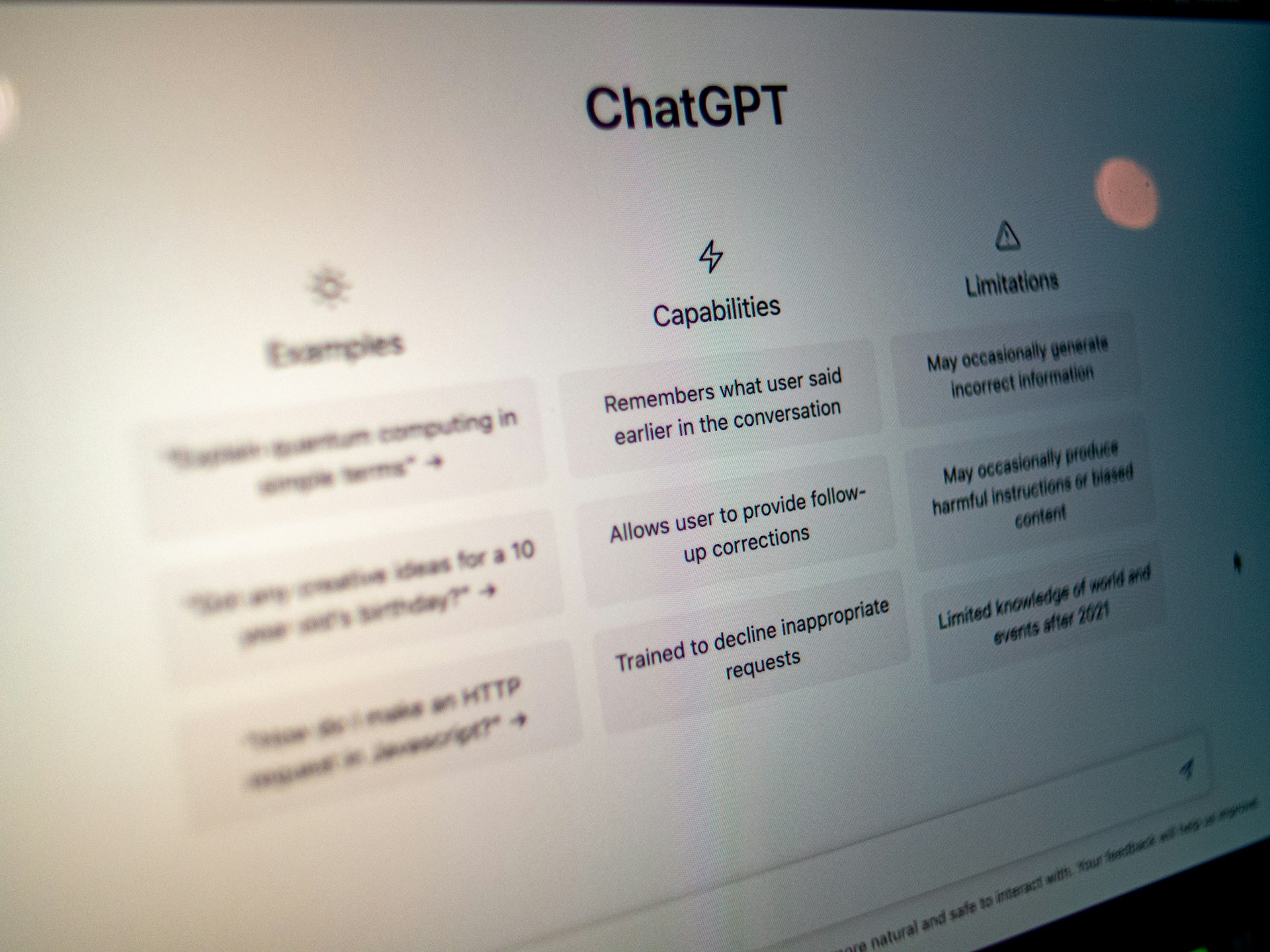




Search behavior is shifting fast. People still “Google things,” but an increasing share of product discovery now happens inside AI assistants: ChatGPT, Gemini, Claude, Perplexity—and AI-generated answers like AI Overviews.
That changes the core question for brands:
It’s no longer “Do we rank on page one?”
It’s “Do AI assistants mention us when buyers ask for the best option?”
And if your brand isn’t included in those answers, you’re not “position #11.” You’re not in the conversation.
That’s why a new category is exploding: LLM visibility tracking—tools designed to monitor how often, where, and in what context AI platforms mention your brand. One platform built specifically for this shift is Clairon AI.
Why “AI visibility” is a business KPI now
A buyer doesn’t always search “best project management software” anymore. They ask:
-
“What are the top tools for a 20-person startup?”
-
“Compare these solutions and recommend one.”
-
“What should I pick if I’m in Europe vs the US?”
-
“List the most trusted options and why.”
In these interactions, AI assistants typically recommend a small set of brands. That shortlist shapes:
-
Lead flow: high-intent prospects get directed to the brands AI mentions.
-
Category positioning: the words AI uses become your “perceived identity.”
-
Competitive advantage: your rivals can dominate the narrative without outranking you on Google.
The problem: most teams track this manually (and it doesn’t scale)
Right now, a common workflow looks like this:
-
Open ChatGPT
-
Run a few prompts
-
Screenshot the answers
-
Paste notes into a spreadsheet
-
Repeat next month
It’s slow, inconsistent, and nearly impossible to turn into a reliable measurement system. AI answers vary by model, language, and location—so manual tracking often creates false confidence or missed blind spots.
What a real LLM visibility tracker should do
If AI discovery matters to your pipeline, you need tracking that’s:
-
Prompt-based (because prompts are the “new keywords”)
-
Multi-platform (buyers don’t use only one model)
-
Multi-market (answers can change by country/language)
-
Competitive (visibility only matters relative to alternatives)
-
Actionable (not just “you were mentioned,” but “why and what to do next”)
This is the space Clairon AI plays in: monitoring brand visibility across major LLMs and turning the data into usable insight.
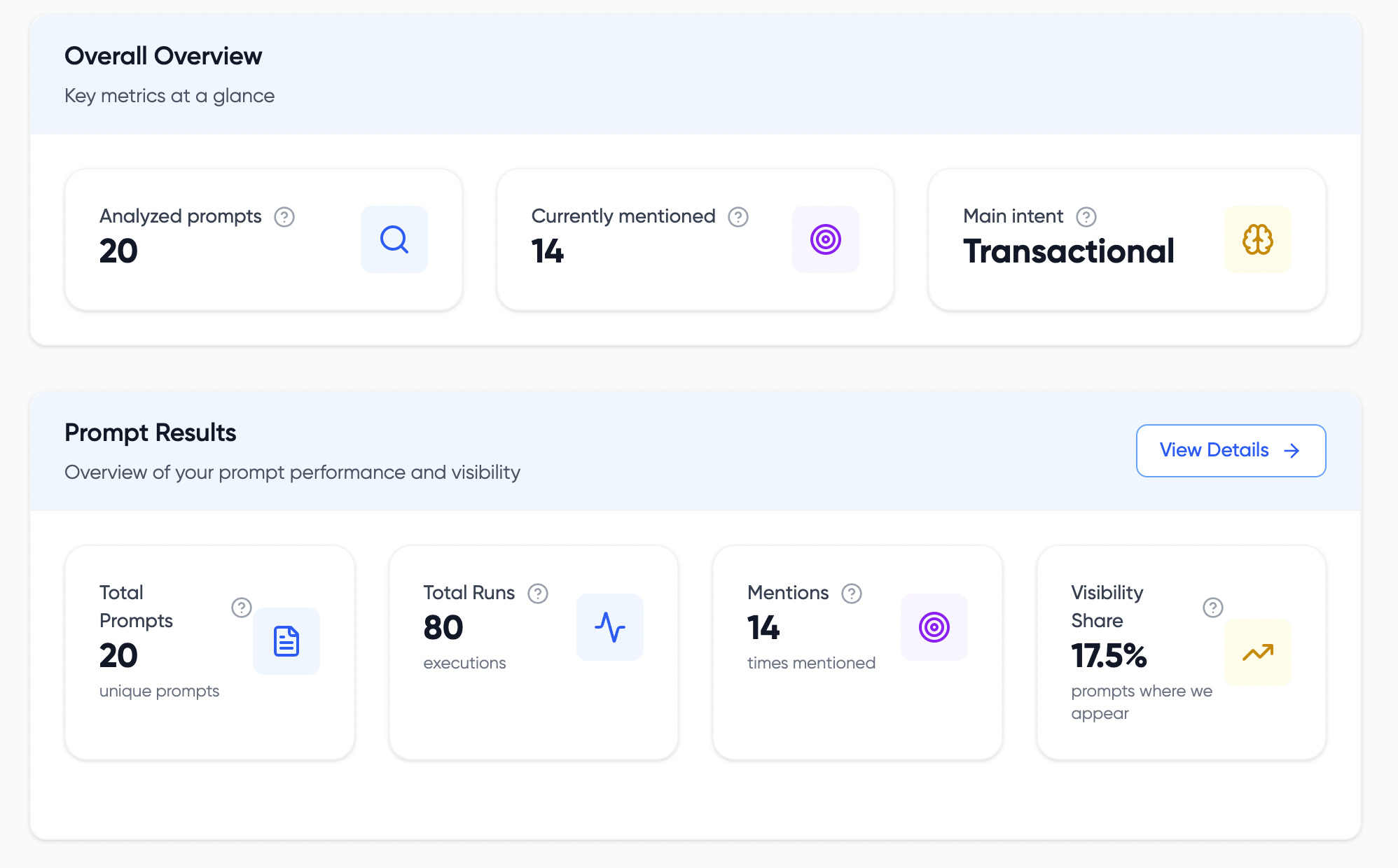
Clairon AI in practice: monitoring AI answers like you monitor SEO
Clairon AI is built as an “AI Visibility Scanner” for modern marketing teams and agencies. Instead of tracking blue-link rankings, it tracks how AI platforms talk about you versus competitors.
Here are a few capabilities that matter in day-to-day operations:
1) Multi-model coverage
Visibility isn’t owned by a single platform. A serious strategy needs coverage across major AI engines and answer experiences.
2) Prompt generation (done for you)
The hardest part of measurement is often knowing what to track. Clairon AI can generate relevant prompts based on industry, language, and audience, with the option to import your own prompt set.
3) Country-level tracking
AI answers can differ dramatically by region. Tracking visibility across markets gives international brands a real advantage, especially when launching new geos.
4) Competitive benchmarking
AI recommendations are inherently comparative (“best,” “top,” “alternatives”). Benchmarking helps you see where competitors consistently win—and where you can break into the shortlist.
5) Source intelligence
One of the most actionable insights: which sources AI uses when it recommends brands. That tells you:
-
where to publish,
-
what content gaps to fill,
-
and how to influence the inputs behind AI answers.
GEO / AEO: the new layer on top of SEO
You’ll hear two terms more often in 2026:
-
AEO (Answer Engine Optimization): optimizing to become the answer
-
GEO (Generative Engine Optimization): optimizing presence inside AI-generated responses
The objective isn’t only clicks. It’s:
-
being mentioned,
-
being recommended,
-
being framed accurately,
-
and showing up in comparisons.
Tracking is the starting point. Without measurement, GEO becomes guesswork.
Who benefits most from LLM visibility tracking?
-
SaaS companies in crowded categories (AI loves comparisons)
-
E-commerce brands competing on trust and recommendation
-
International brands where market-by-market answers differ
Final thoughts
AI assistants are becoming a discovery layer between customers and brands. If you’re not monitoring how they talk about you, you’re leaving a critical growth channel unmanaged.
If you want a structured way to measure and improve that visibility, explore Clairon AI—a platform built to track brand presence across AI engines and turn it into action.